
Executive Summary

Most security programs are built around identifying known threats. Modern AI attacks frequently operate through legitimate system behavior, creating a gap between technical compliance and actual security assurance.
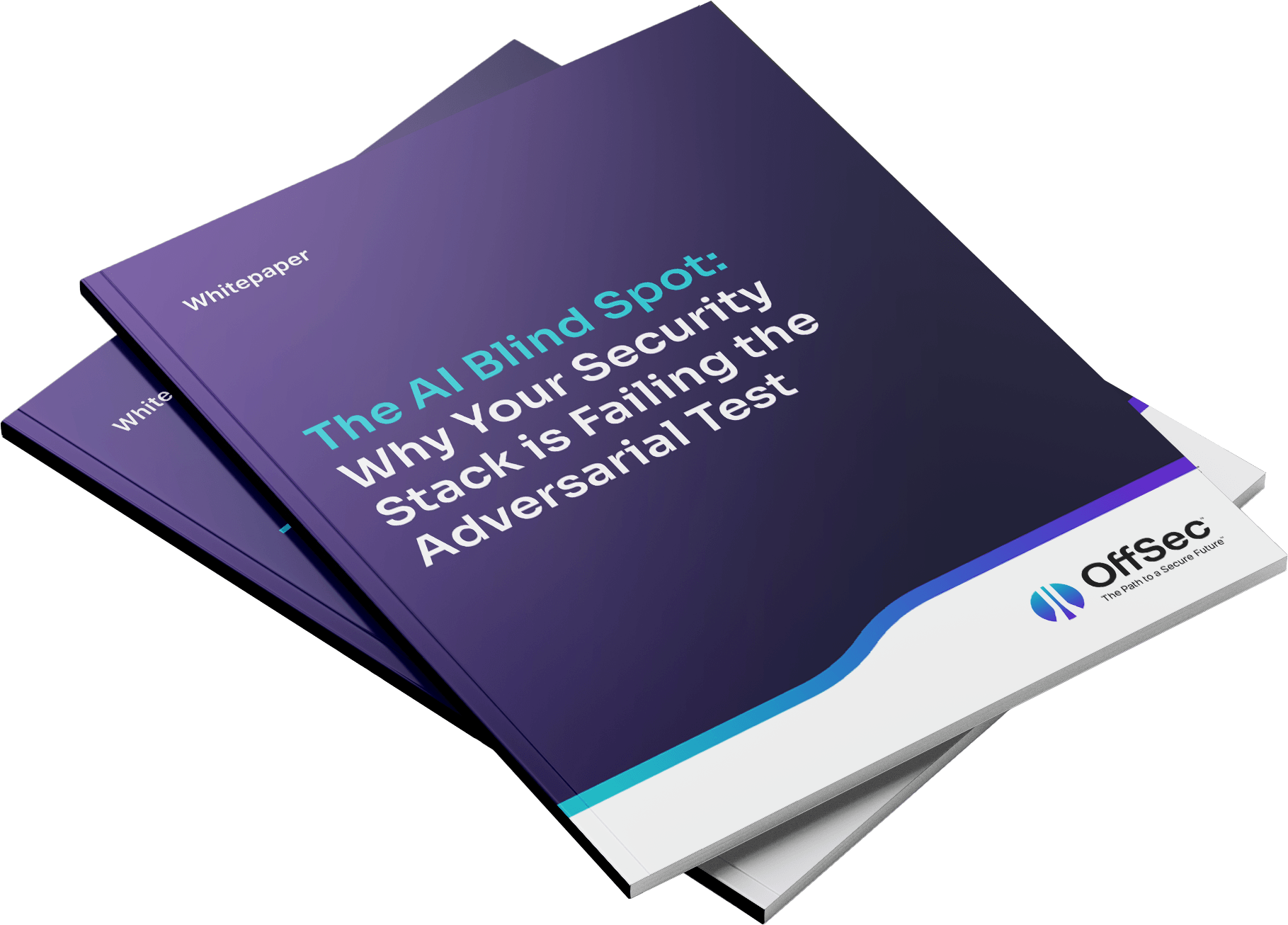
This whitepaper explores the Green Light Illusion, examines how attackers exploit AI systems in ways traditional controls often miss, and outlines how organizations can strengthen AI resilience through adversarial validation and hands-on security testing.
About This Whitepaper

Your AI security dashboard is green, the scans are complete and all the controls are passing. But what if your security stack is only measuring what it was designed to see?
As organizations race to deploy LLMs, RAG pipelines, and autonomous AI workflows, a new class of attacks is emerging. One that doesn't rely on malware, infrastructure compromise, or obvious indicators of compromise. Instead, adversaries are manipulating trusted workflows, legitimate prompts, and approved system behavior to achieve malicious outcomes that traditional security controls often fail to detect.
Download this whitepaper to uncover the AI Blind Spot, understand the growing gap between what security tools see and what attackers see, and learn what it takes to evaluate AI resilience beyond automated compliance.
Download the whitepaper now
Close the Gap Between Compliance and Resilience
Expose Hidden AI Security Risks
Understand how attackers manipulate AI systems without triggering the alerts, signatures, or indicators traditional security controls were designed to detect.
Adopt the Adversary's Perspective
Learn why the gap between what security tools see and what attackers see has become one of the most significant challenges in enterprise AI security.
Build the Human Differential
Discover why human adversarial judgment remains essential for identifying the subtle weaknesses, unintended behaviors, and exploit paths that automation alone cannot uncover.

Advanced AI Red Teaming
AI has evolved attackers. Defenders must evolve faster.