
May 26, 2026
The Gap Between Cybersecurity Training Investment and Actual Team Performance
If your team can pass certifications but you’re not sure how they’d perform during a real incident, see how Live Training closes that gap
 OffSec Team
As of early 2026, global cybersecurity spending has reached record highs, with budgets expected to rise to $240 billion. However, this investment is struggling to keep pace with an even faster surge in the volume and cost of cyberattacks.
With average breach costs continuing to rise to nearly $5 million, cybersecurity training budgets are also growing. Organizations invest in certifications, labs, workshops, learning platforms, and external training events with the expectation that stronger training will improve security outcomes.
The challenge is that many organizations struggle to measure whether those increasing investments are actually improving operational performance.
Completion rates, certifications earned, and learning hours are easy to report upward. Measuring whether teams can coordinate effectively during incidents is much harder.
That disconnect is forcing many security leaders to rethink how they evaluate training effectiveness and operational readiness.
Security leaders are expected to justify the return on cybersecurity training investments.
That conversation becomes difficult when the primary metrics available are participation-based. A completed certification or finished learning path may demonstrate that training occurred, but it does not necessarily show whether teams can respond more effectively during an incident.
Many organizations still lack visibility into questions such as:
- Are incidents being escalated efficiently?
- Where do operational bottlenecks emerge?
- Which workflows slow response times?
- How effectively do teams coordinate across functions?
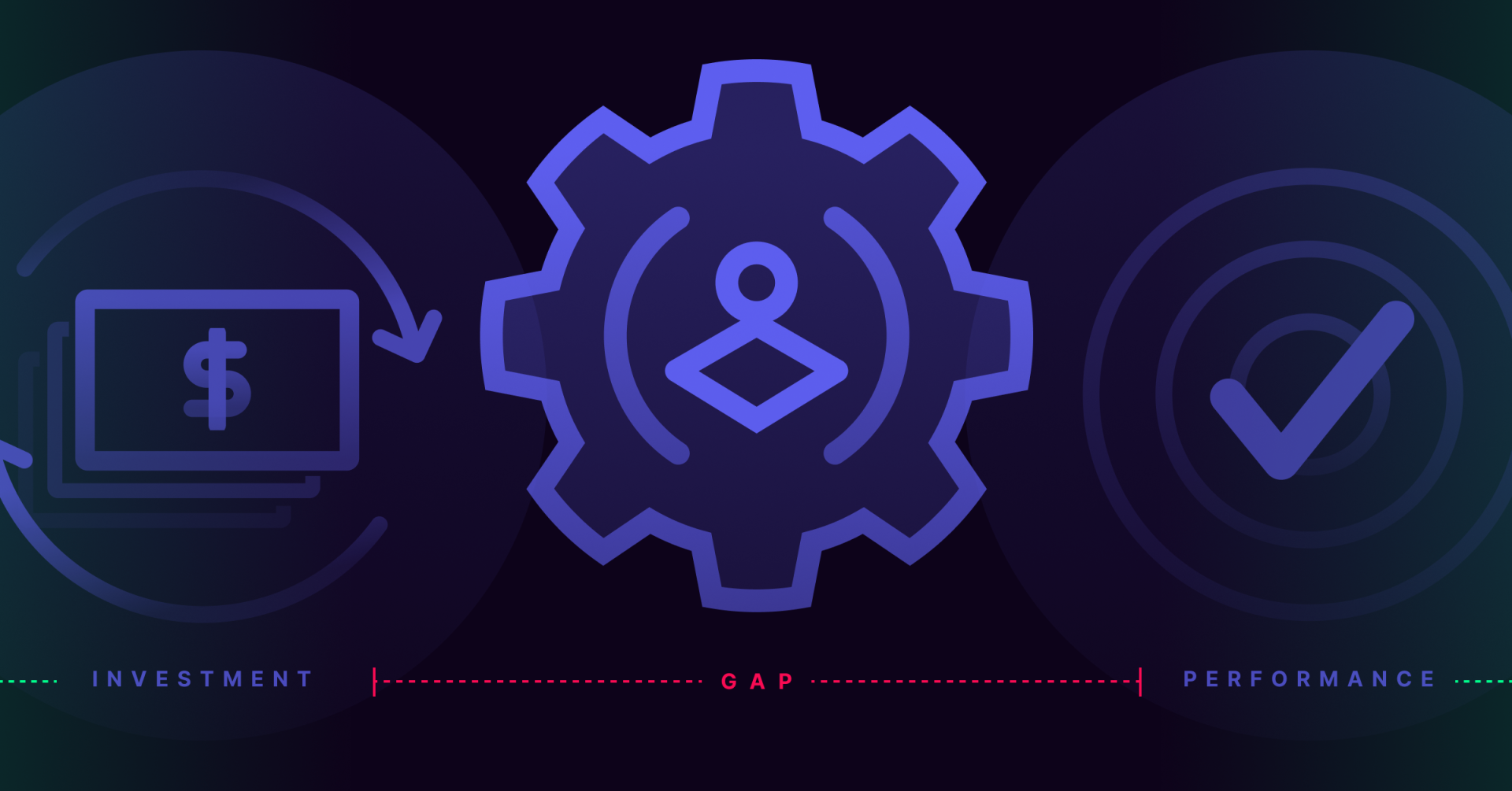
This is where the gap between training investment and operational performance starts to become visible.
The issue is not that organizations are investing in the wrong areas. The issue is that many training programs are still measured primarily through activity instead of operational outcomes.
Many operational weaknesses only become visible once an incident is already underway.
Escalations slow down. Ownership becomes unclear. Teams work from different assumptions. Communication gaps emerge between security functions operating under pressure and changing priorities.
These breakdowns are often operational rather than technical.
A team may contain highly skilled individuals who have completed extensive training, yet still struggle to execute effectively together during fast-moving situations.
One reason is that many training experiences happen outside the organization’s actual operating environment. Employees attend external training events individually, away from the workflows, tooling, communication structures, and decision-making processes they rely on internally.
That makes it difficult to evaluate how teams operate together in practice.
The pressure on security teams continues to increase.
Organizations are managing larger infrastructures, more tooling, and increasingly interconnected workflows. AI is also accelerating attacker activity, reducing the time defenders have to make decisions, and completely disrupting the previous threat detection landscape.
As a result, security leaders are placing greater emphasis on operational readiness and workforce development.
Many organizations are now looking for ways to evaluate team performance directly through realistic, instructor-led exercises aligned to their own environment and operational priorities, before they occur in real life.
This is where live, in-person cybersecurity training is becoming more valuable. This is precisely why OffSec developed our Live Training experience.
Rather than training individuals in isolation, organizations can evaluate how teams communicate, escalate, coordinate, and make decisions together in an immersive, on-site week.
Examples of operationally useful readiness metrics include:
| Metrics | What it tells you |
| MTTD/MTTR Delta | Mean time to detect and respond before vs. after training: the gold standard SOC metric |
| Vulnerability dwell time | Time from discovery to remediation, by team |
| Red team / pen test findings | Repeat vulnerabilities reduced against trained teams |
| IR & Tabletop exercise scores | Performance under simulated pressure |
| Audit & compliance readiness | Fewer findings, faster SOC 2 / ISO 27001 / PCI / DoD 8140 readiness |
| Cost avoidance | Average data breach cost ($4.88M) x incidents prevented; reduction in external consultant spend |
OffSec’s Live Training offering is designed around that model.
Live Training brings experienced OffSec instructors directly to organizations to work with teams through exercises tailored to their security functions, workflows, and operational structure. Throughout the engagement, instructors guide scenarios in real time, apply pressure as conditions evolve, and conduct operational debriefs focused on identifying process gaps and improvement areas.
The goal is not to replace certifications, labs, or existing training investments. The goal is to help organizations understand how those investments translate into operational execution across teams.
Technical training remains a critical part of building cybersecurity capability.
But organizations that only measure participation often lack visibility into how teams perform when operational workflows are tested under pressure.
That is the gap many security leaders are now trying to close.
OffSec Live Training helps organizations evaluate operational readiness through in-person, instructor-led adversarial exercises tailored to their teams, workflows, and environment.
If your team can pass certifications but you’re not sure how they’d perform during a real incident, that’s the gap Live Training is designed to close. See how it works!